Talon Knife | Stained
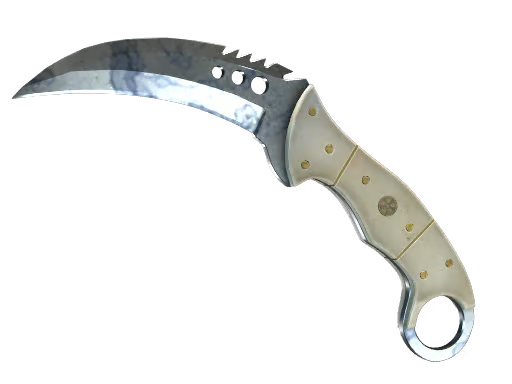
- Wear range
- 0.00–1.00
- Released
- 2018-06-07
- Paint kit
- 43
- Finish style
- Patina
- Sources
- Horizon Case、Danger Zone Case
- Drop chance (estimate)
- Horizon Case:Any rare special item 0.256%; exact finish probability undisclosed;Danger Zone Case:Any rare special item 0.256%; exact finish probability undisclosed
Steam / C5GAME
CNY
Introduction
So you're eyeing the Knife | Patina? This isn't your typical flashy skin. It's a finish that looks like it was left in a damp garage for a decade—and that's exactly the point. The Patina is a forced oxidation layer created by dripping lemon juice and mustard onto the blade. Yeah, you read that right. The result is a gritty, greenish-brown texture that screams "battle-tested."
But before you drop your money, let's inspect this thing properly. We'll go over wear, pattern, and whether it's actually worth buying.
Quick Verdict
Buy if: You love military-style, non-glossy finishes and want a knife that looks unique without breaking the bank. The Patina is one of the more affordable knife finishes, making it a solid entry point for new knife owners.
Skip if: You prefer clean, shiny, or colorful skins. The Patina is intentionally ugly—if you want a showpiece, look elsewhere.
Wear and Float
The wear range is 0.0 to 1.0, meaning you can find everything from Factory New to Battle-Scarred. But here's the thing: because the finish is already a "patina," the difference between wear levels is less dramatic than on other skins. A Factory New Patina still looks aged; a Battle-Scarred one just looks more aged. That said, higher wear tends to show more scratches and scuffs on the blade, which can add to the rugged charm.
- Factory New (0.00–0.07): Cleanest possible version of a dirty look. Minimal scratches, but still oxidized.
- Minimal Wear (0.07–0.15): Slightly more character. A few scuffs, but nothing distracting.
- Field-Tested (0.15–0.38): The sweet spot for many. Noticeable wear, but the patina pattern remains intact.
- Well-Worn (0.38–0.45): More scratches, edges start to look rough.
- Battle-Scarred (0.45–1.00): Heavy wear. The blade looks like it's seen actual combat. If you like the beat-up aesthetic, this is your zone.
Pattern and Oxidation
The Patina is a pattern-based skin, meaning the oxidation spots can vary in placement and intensity. Some blades have a more uniform green-brown coating, while others have blotchy, almost marbled patterns. There's no official "rare pattern" designation, but collectors do pay attention to how the oxidation falls on the blade. A evenly distributed patina is generally preferred, but some prefer chaotic splotches.
Because the finish is applied via a chemical reaction (lemon juice and mustard), each knife is slightly unique. That said, the differences are subtle and won't drastically affect the price unless you find a truly exceptional pattern.
Is It Worth Buying?
Let's talk value. The Knife | Patina is generally one of the cheaper knife finishes on the market. That makes it a great choice if you want a real knife without spending a fortune. However, it's not a great investment for flipping—prices are relatively stable, and there's no huge demand spike.
If you're buying for personal use, it's a fantastic pick. It pairs well with military-themed loadouts and has a certain understated cool. If you're looking to make a profit, look elsewhere.
Expert Ramblings
I've always had a soft spot for the Patina. It's the knife equivalent of a beat-up leather jacket—it tells a story. The whole "lemon juice and mustard" origin is bizarre, but that's what makes it memorable. In a sea of neon and glitter, the Patina stands out by being deliberately dull. And honestly, under a blacklight, it does look kinda cool (as the flavor text suggests). So if you're tired of flashy skins, give the Patina a shot. Just don't expect it to impress your friends who only care about Dragon Lores.
Final tip: Always inspect in-game before buying. Check the pattern and wear on the specific knife you're getting. The market listing photos can be misleading.